Patios, steps and pool decks for SLC yards
Concrete Patios in Salt Lake City, UT
Patios planned around the grill, the shade and the evenings you actually spend outside. Ask for a free estimate.
Salt Lake City, Millcreek, Holladay, Sandy, Draper, West Jordan, Lehi and 29 more towns
Tell us about your patio
Share a rough size, how you hope to use the space and any yard photos you have handy. The contractor phones you back to talk it through.
- Free patio estimates
- Designed around real use
- Built for Utah winters
- Homes and businesses
A rough size is plenty. Estimates are free.
Start with the evening, then pour the slab
Picture an ordinary July evening in your backyard. Where does the grill go, and which way does the smoke drift? Where do the chairs end up once the sun slides toward the Oquirrhs? Do the kids need room to ride scooters in circles, or is this a quiet corner for two people and a fire table? Answer those and the size and shape of a good patio mostly sketch themselves. We plan and pour concrete patios all over the valley, and every plan begins with how the space will be used, long before anyone mentions concrete.
A dining table for six with the chairs pulled out takes up roughly 10 by 12 feet all by itself. A grill wants a few feet of breathing room from the siding and somewhere to set down the platter. Two lounge chairs and a side table eat up more space than most people guess, and every one of those zones needs a walking lane around it so nobody squeezes past a chair to reach the door. We sketch the zones first (cooking, eating, lounging, passing through), then size the slab so each one fits, instead of starting from a round number.
Then come the practical parts, which in Salt Lake mostly come down to water and winter. A patio should fall gently away from the house, roughly an eighth to a quarter inch per foot, so rain and snowmelt head for the lawn instead of the foundation. It needs a compacted gravel base, since a lot of the valley floor is fine clay and silt left behind by Lake Bonneville, and that ground shifts as it wets and dries. Air-entrained concrete, joints placed where cracks can hide, and a UV-resistant sealer on colored finishes round it out.
How it works
From a rough sketch to the first barbecue
- 1
Tell us how you use the yard
Call or send the form with a rough size and what you picture happening out there. Photos of the yard and the door you walk out of help a lot.
- 2
Walk the space together
The contractor calls back, then comes by to measure, see where water drains, look at the steps out of the house and talk through finishes.
- 3
Dig, base and form
Sod or old concrete comes out, the subgrade and gravel base are compacted, and forms are set to a gentle fall away from the house.
- 4
Pour, finish and wait
The slab is placed, finished, jointed and cured. Bare feet are fine after a day or two; the grill and heavy planters can move back on after about a week.
Outdoor concrete
Six ways to spend more time outside
Each one starts with how the space gets used, from a first real patio to the steps and paths that connect it to the house.
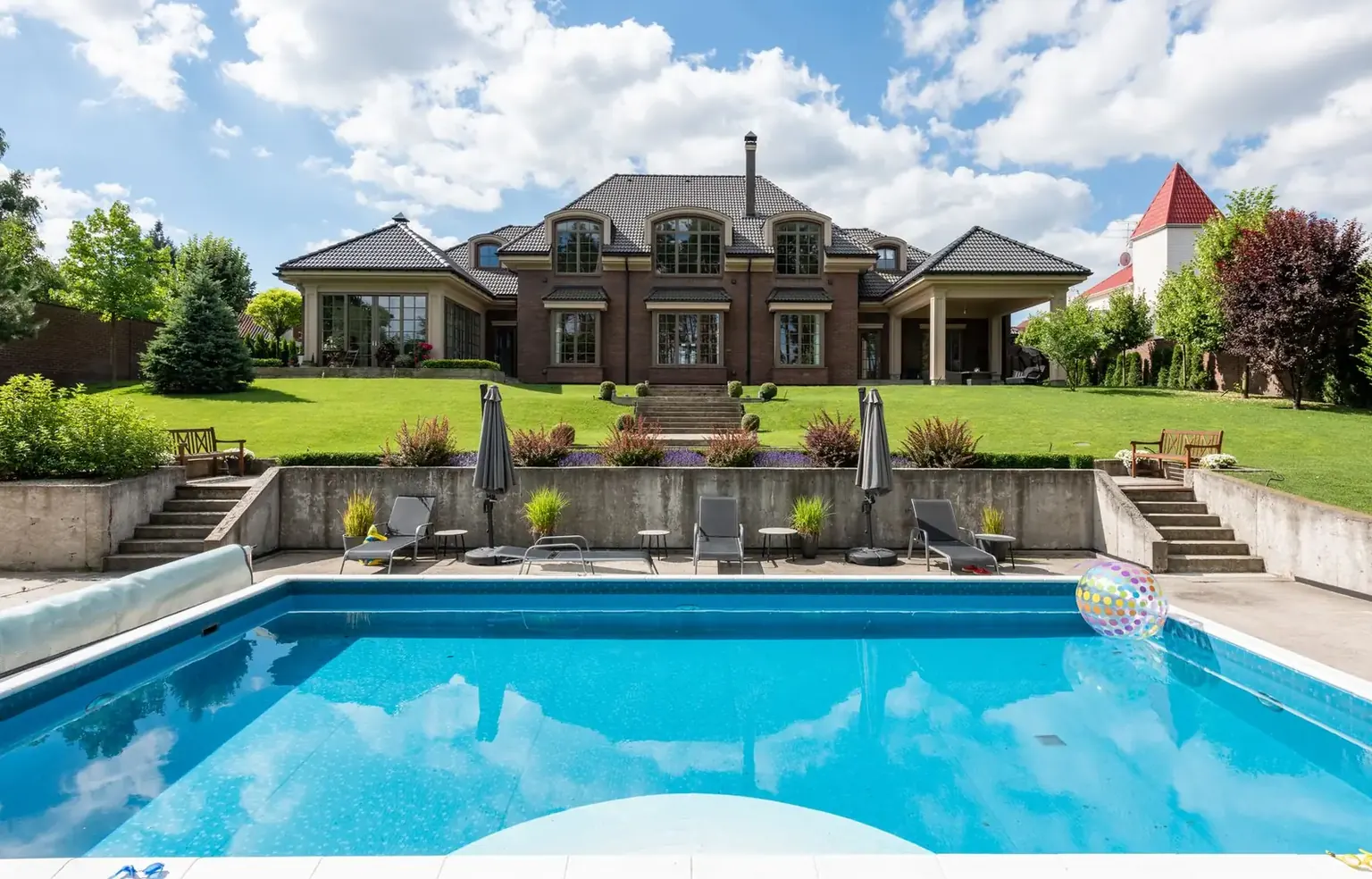
Concrete Patios
New patios off the back door or out in the yard, sized for the table, the grill and the chairs you already own.
More on concrete patios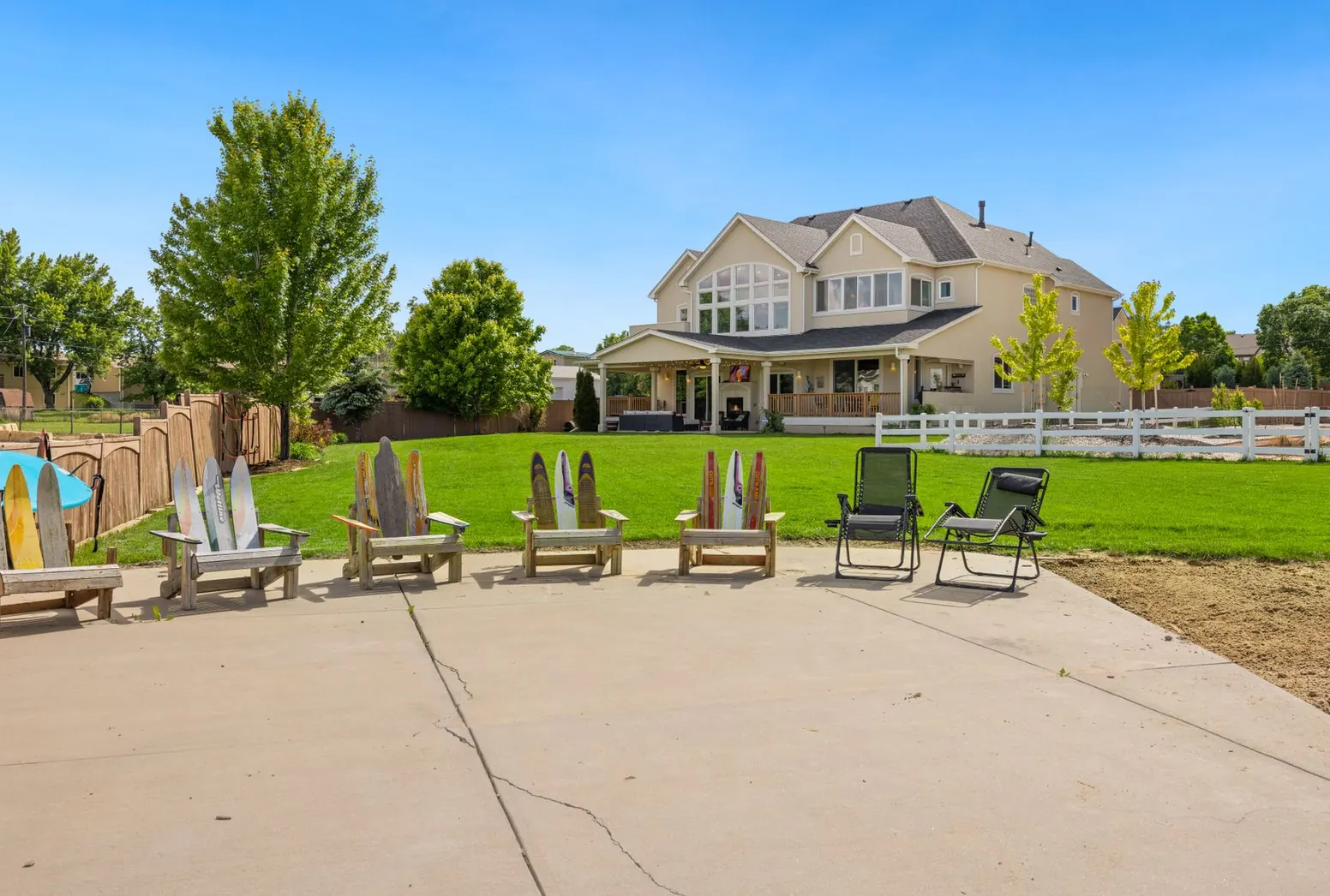
Stamped Patios
Slate, flagstone, cobble and wood-plank textures pressed into colored concrete, then sealed for high-altitude sun.
More on stamped patios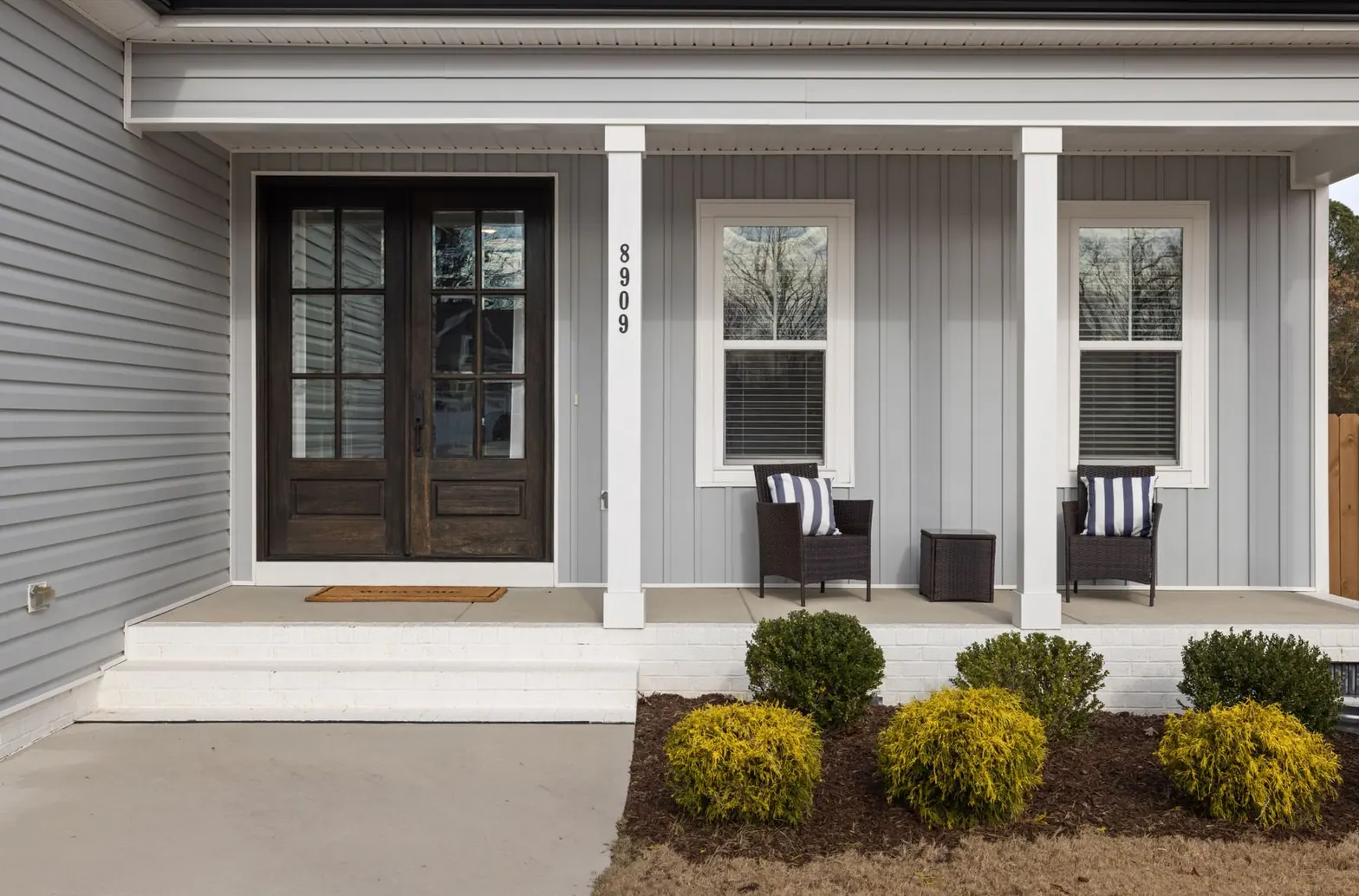
Patio Steps & Stairs
Landings and wide steps that connect the back door, a deck or a sloped yard to the patio below.
More on patio steps & stairs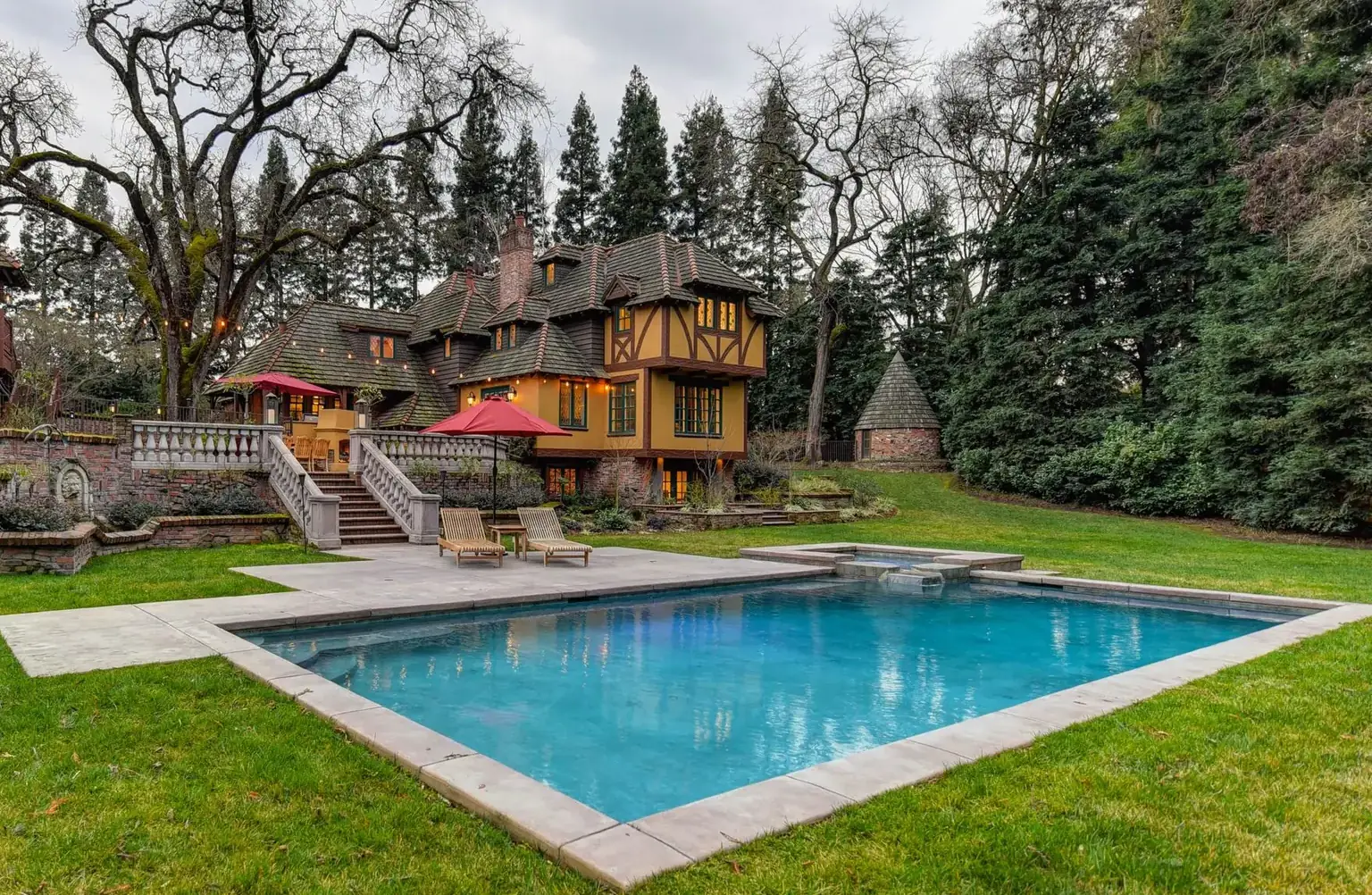
Pool Decks
Decks around in-ground pools with slip-resistant textures, lighter colors and slope that keeps runoff out of the water.
More on pool decks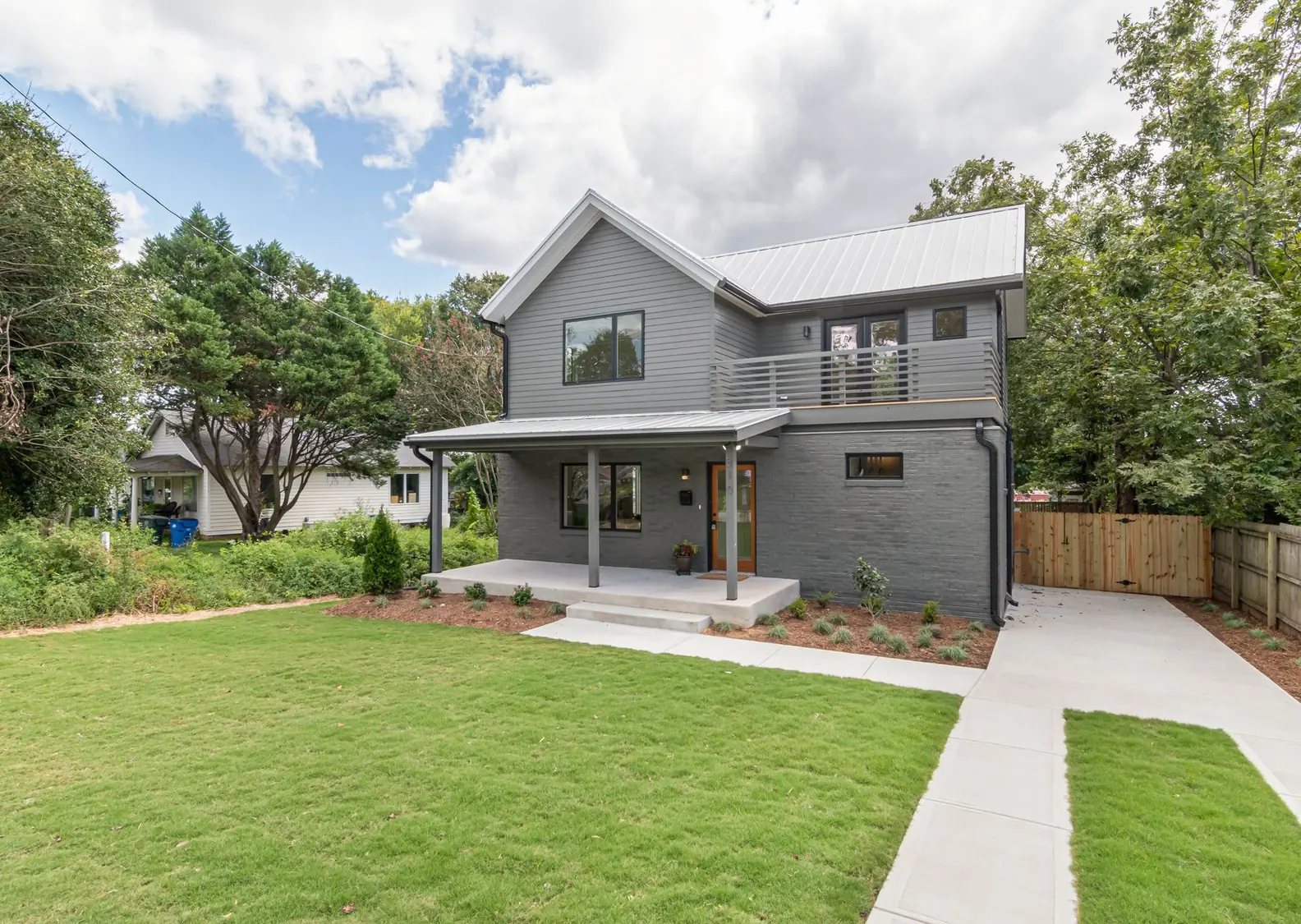
Walkways & Paths
Front walks, side-yard paths and garden walks that connect the driveway, gate and patio without muddy shortcuts.
More on walkways & paths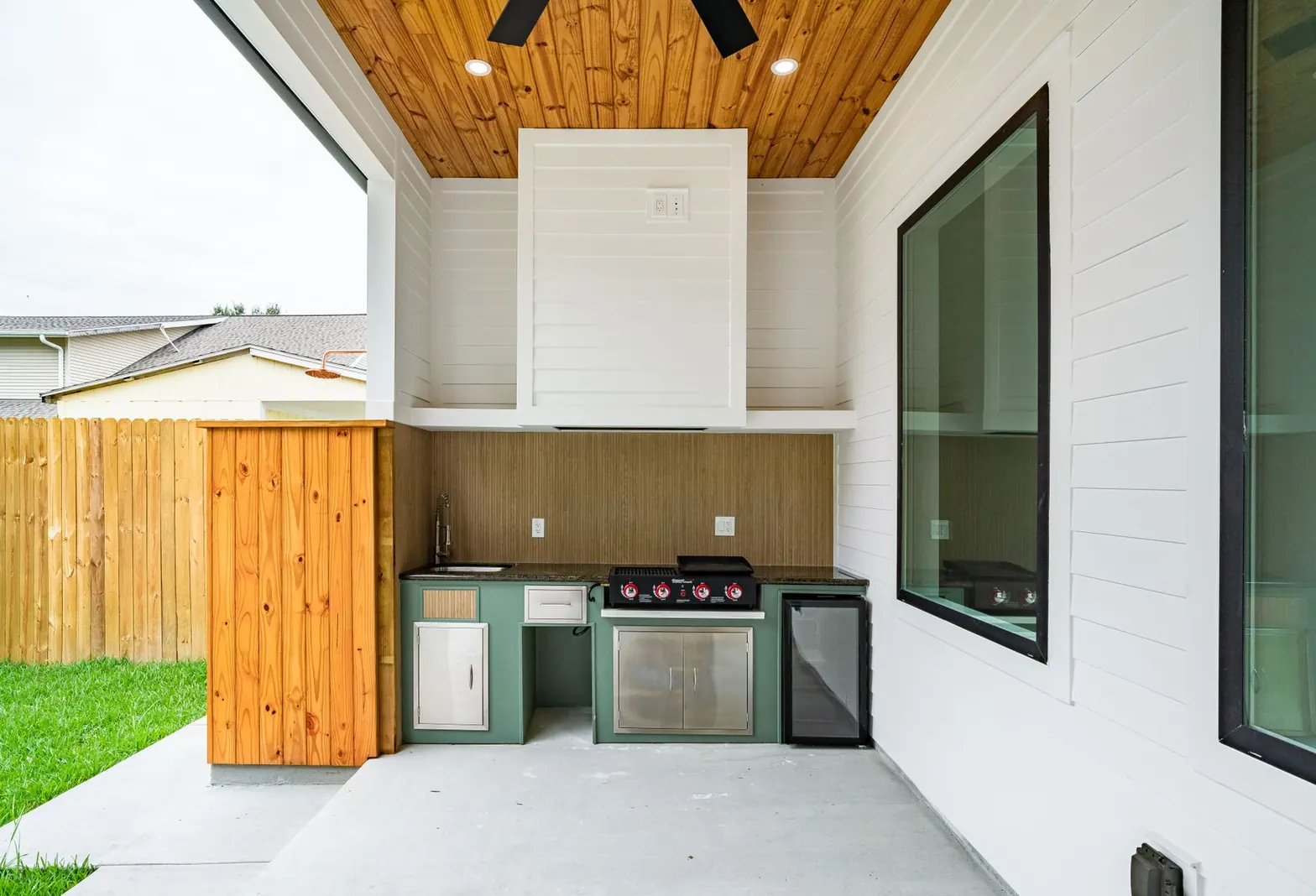
Patio Replacement & Extensions
Cracked, sunken or too-small patios broken out and replaced, or extended with a new section tied into the old.
More on patio replacement & extensions
Examples
Patio ideas: finishes, shapes and steps
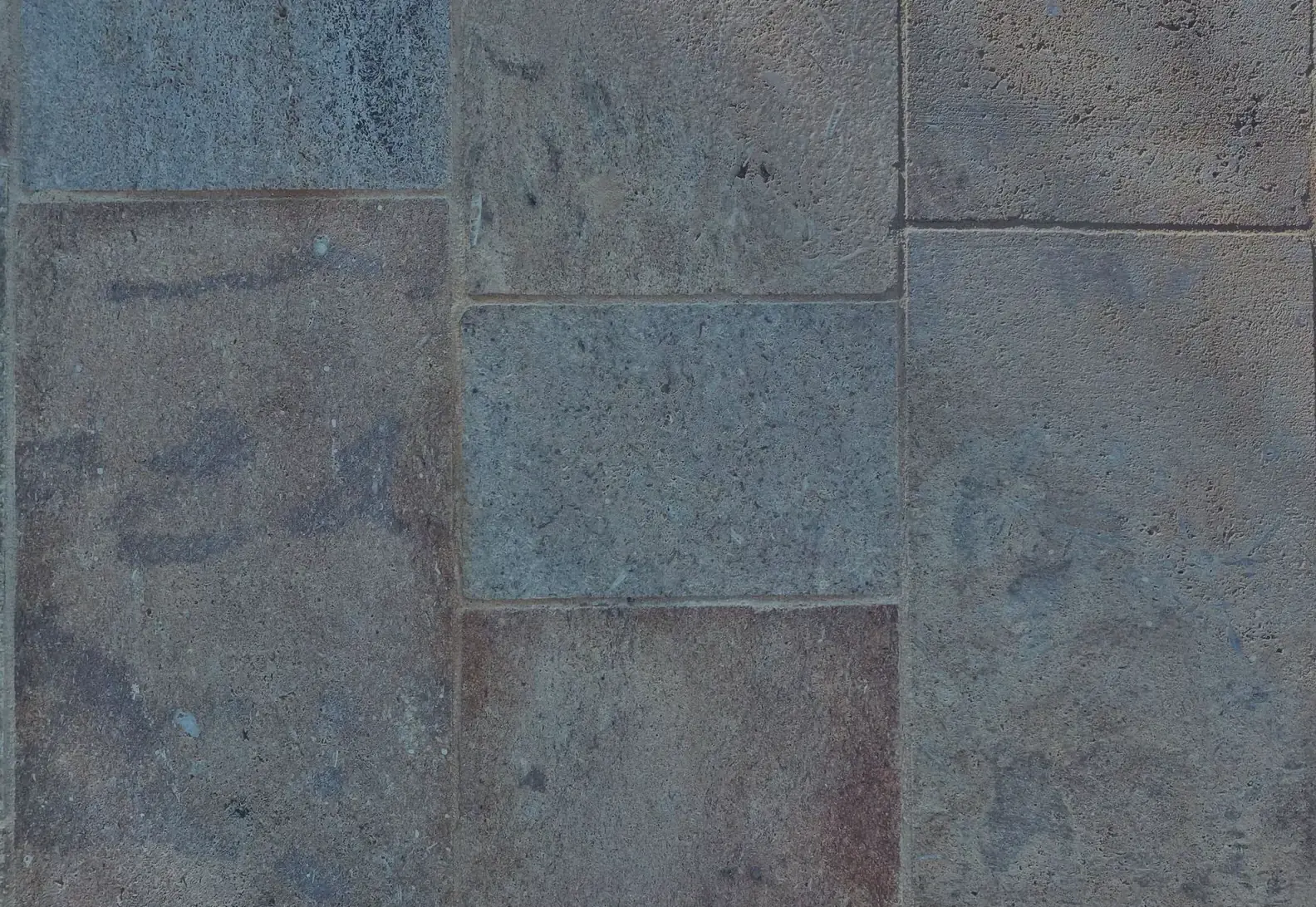

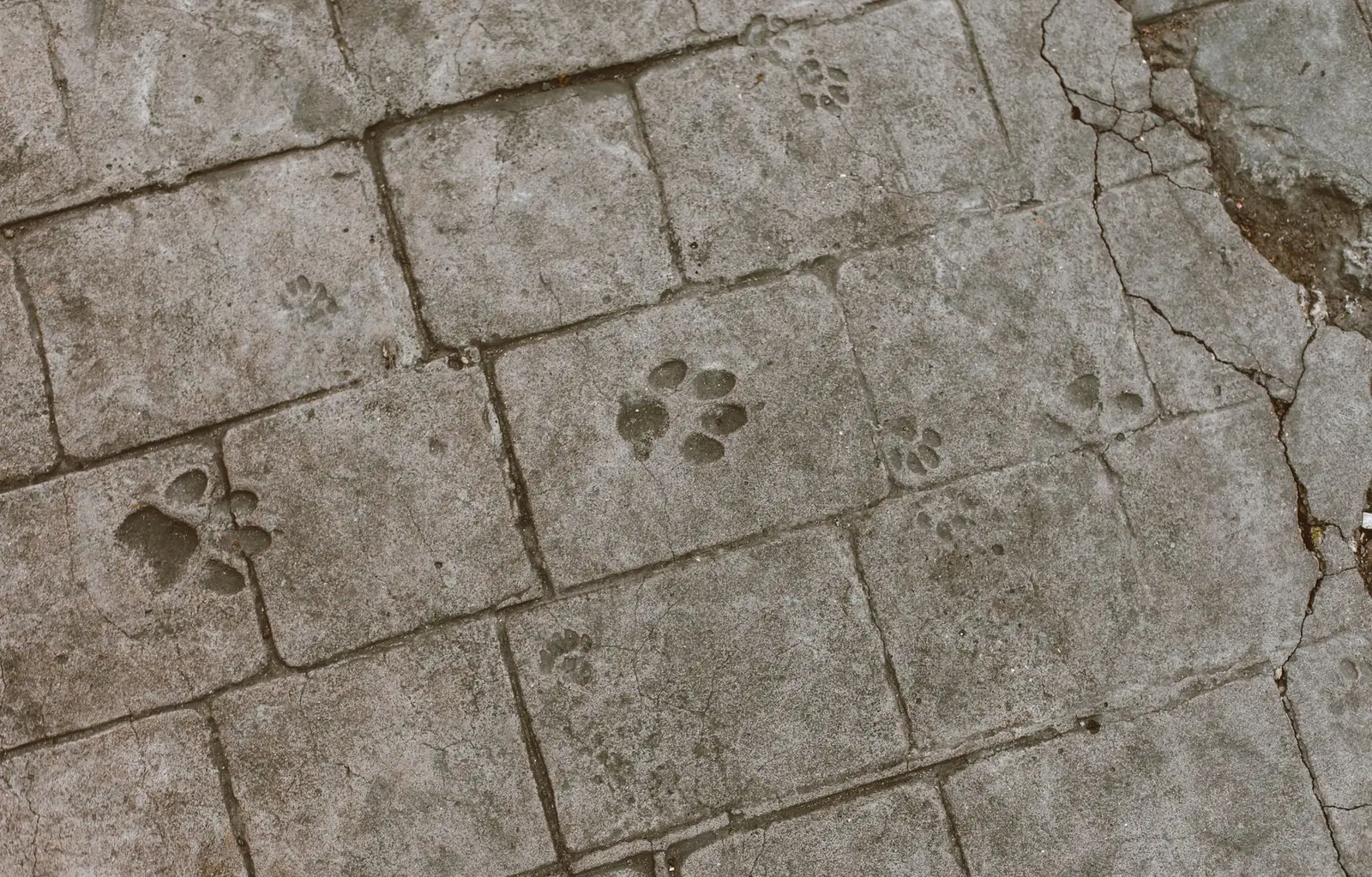
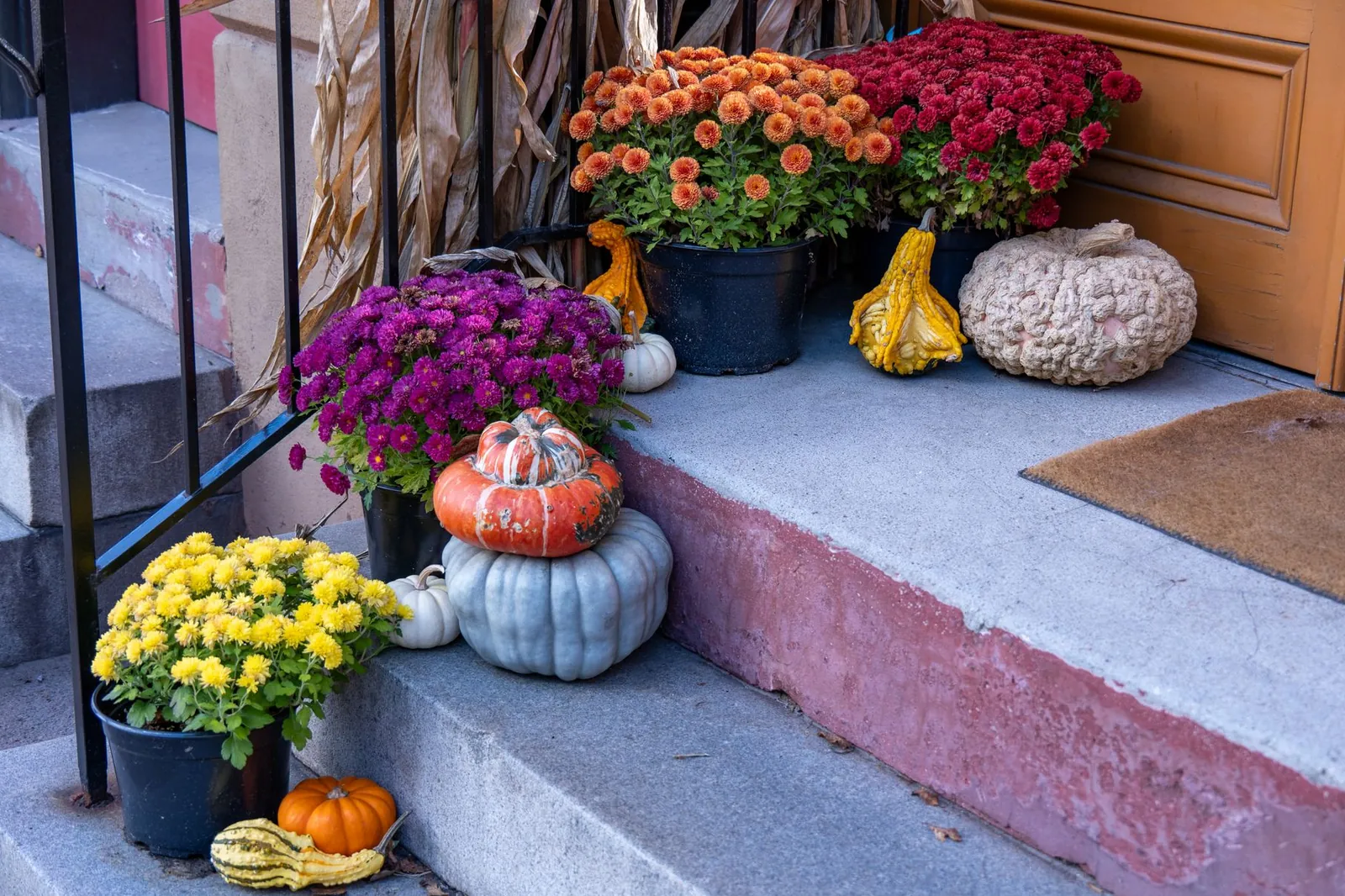
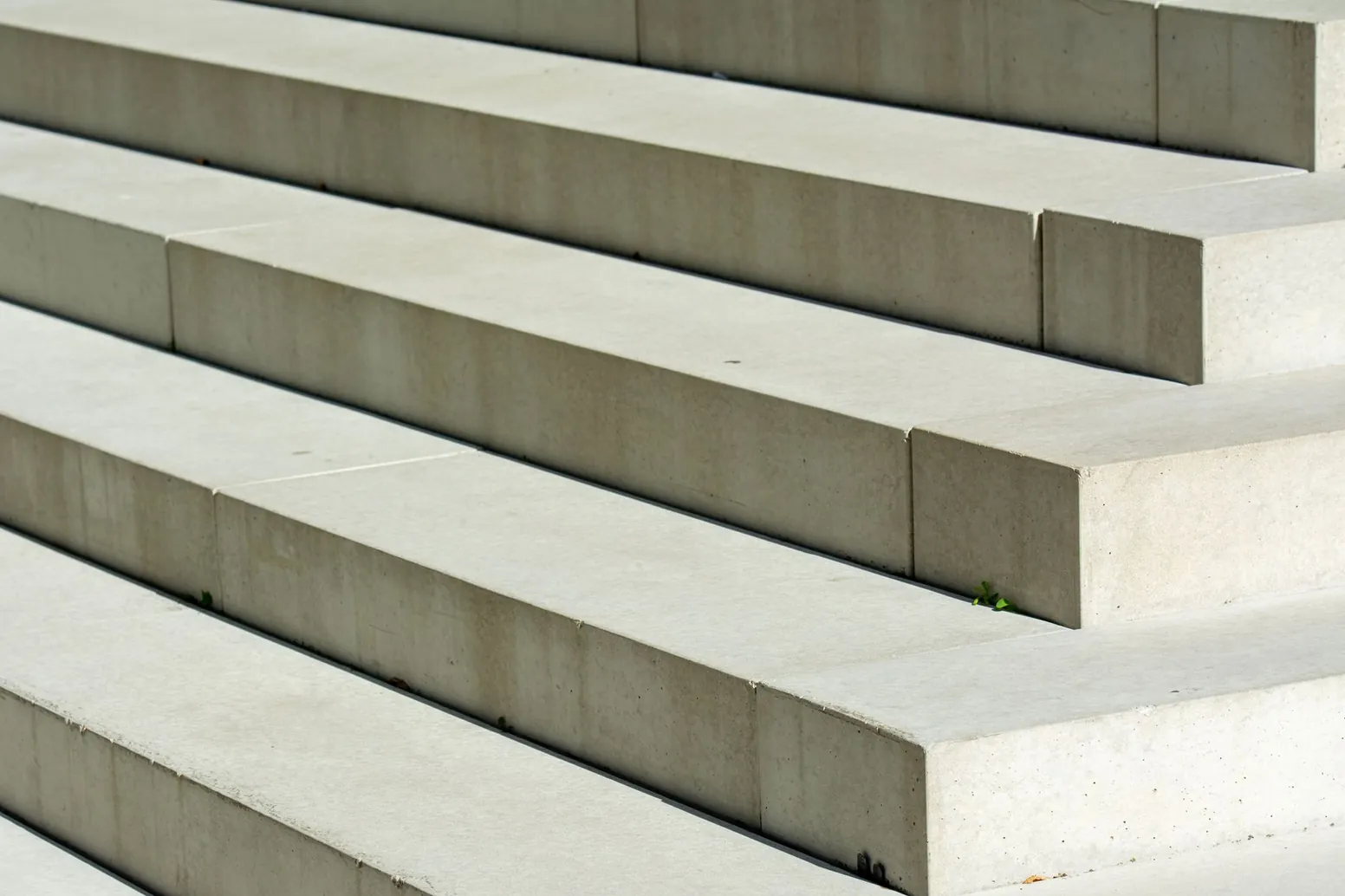
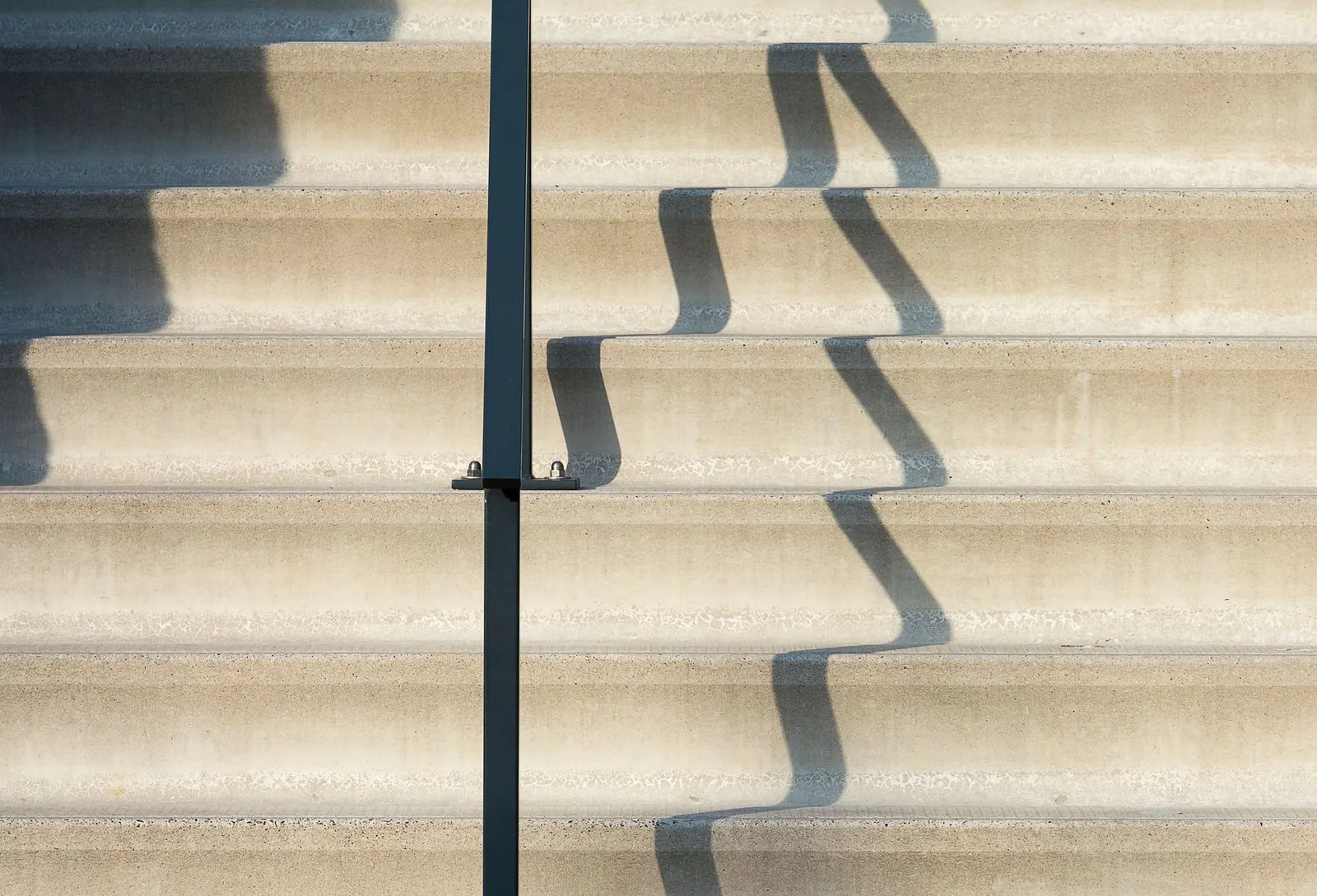
Stock photos: examples of the work type.
Questions
Patio questions, answered plainly
Will a concrete patio hold up to Salt Lake winters?
It will, provided the slab is designed around winter. Start with air-entrained concrete, whose microscopic bubbles give freezing water somewhere to go, then add a slope so snowmelt drains instead of sitting, and control joints to manage cracking. Keep de-icing salt off the slab its first winter and shovel near the door instead of salting it. Once cured, a penetrating sealer adds another layer of defense.
Will the city or my HOA need to weigh in on a patio?
Sometimes one, sometimes neither. A patio poured at grade in your own backyard often skips the building permit, but every city sets its own rules, so it gets checked before work starts. Plenty of newer subdivisions have an HOA that wants to see size, color or stamp pattern first. Either way, 811 is called so buried utility lines are marked before anyone digs.
What does a concrete patio cost?
It depends on a handful of things: square footage, the finish (broom, exposed aggregate, colored or stamped), how much digging and base work the yard needs, whether an old slab has to be broken out and hauled away, and how easy it is to get concrete into the backyard. Steps, curves and a pump truck for a tight yard add to it. The estimate is free and walks through each piece.
Which towns do you cover?
Salt Lake City and 35 towns around it, including Millcreek, Holladay, Murray, Cottonwood Heights, Sandy, Draper, West Jordan, South Jordan, Herriman, Lehi, American Fork, Orem, Provo, Tooele and Stansbury Park. The full list lives on our service areas page.
How long does a patio take, and when is the best time to pour?
Most patios take two or three days of work on site: digging and forms, then the pour, then joints and cleanup, with stamped finishes adding a visit to seal. Spring through early fall is the usual window. In July and August, pours start early in the morning so the finishing wraps up before the afternoon heat.
How big should my patio be?
Bigger than the slab most houses come with. Give a six-seat dining set about 120 square feet once the chairs slide back, add a grill zone a few feet deep, and leave a walking lane around the furniture. If you want lounge chairs or a fire table too, think in terms of two connected areas rather than one square.
Can you add on to the patio I already have?
Often, yes. An extension is drilled and doweled into the old slab with steel so the two pieces stay level, and the seam between them is treated as a design line. The catch is color, since fresh gray concrete will not match a slab that has weathered for years. Many people choose a border, a stamped addition or a resurfaced finish across both.
Good to know
Patio notes worth knowing before you pick a pattern
Follow the shade
A west-facing patio in the Salt Lake Valley bakes from mid-afternoon until sunset in July. Lighter colors and a textured finish stay cooler underfoot than dark, smooth concrete. Decide now where an umbrella or shade will go so the slab is big enough to hold it.
Step down, not out
Most back doors sit well above the yard. A roomy landing just below the threshold, then a broad step or two down to the patio, feels far better than one narrow step dropping straight onto the slab. It also keeps snowmelt from pooling against the door.
Color fades at 4,200 feet
The valley sits more than four thousand feet up, and the sun is strong. Earthy mid-tones like buff, sand and soft gray fade more gracefully than deep reds or charcoal. Recoating with a UV-blocking sealer every couple of summers keeps a stamped patio from turning chalky.
Joints are part of the design
Every slab shrinks and cracks somewhere, and control joints tell it where. On a plain patio they can line up with door edges and steps so they look intentional. On a stamped one they can hide along the grout lines of the pattern.
Service area
Where we pour patios: Salt Lake City plus 35 towns
We take patio requests from Salt Lake City south through the valley to Draper and Herriman, into Utah County as far as Provo, and west over to the Tooele Valley.
Salt Lake County
Tooele County
Tell us how you want to use your yard
A rough size, a couple of photos and the door you walk out of are plenty to start a free patio estimate.